



















26 September 2019
Introducing Molykote®D-6600 Anti-Friction Coating – New PTFE coating
A durable new option for treating metallic components in challenging automotive applications : Molykote®D-6600
Performance Advantages of Molykote® D-6600
• Excellent dry lubrication properties
• Low coefficient of friction for metal/plastic pairings, especially at medium and low pressures
• Excellent load-carrying capacity at low and medium pressures
• Excellent wear protection
• Excellent adhesion to metals
• Good corrosion protection
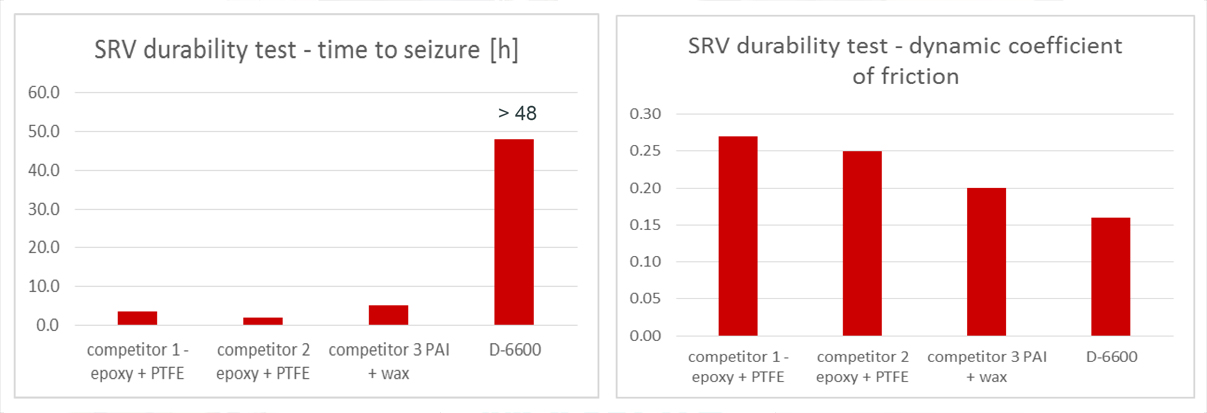
SRV tribometer durability testing – low pressure
Steel vs steel, linear contact
Low pressure = 100 N/mm2 (45 N), speed 0.32 m/s
Surface pre-treatment = blasting
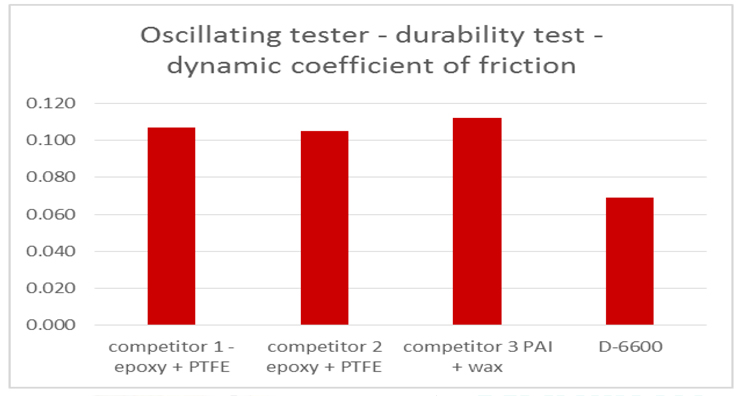
Metal plastic durability testing
Anti-Friction Coating coated steel vs POM plastic
Low pressure = 75 N/mm2, speed 5 cm/s
| Potential Applications | |
|---|---|
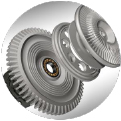 |
Permanent lubrication of metal/metal and metal/plastic pairings involving: – Slow to medium-fast movements – Medium- to low-pressure conditions |
| Potential Applications | |
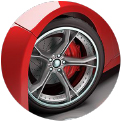 |
Metal coatings in automotive chassis, body, brake segments |
| Potential Applications | |
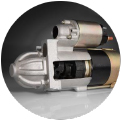 |
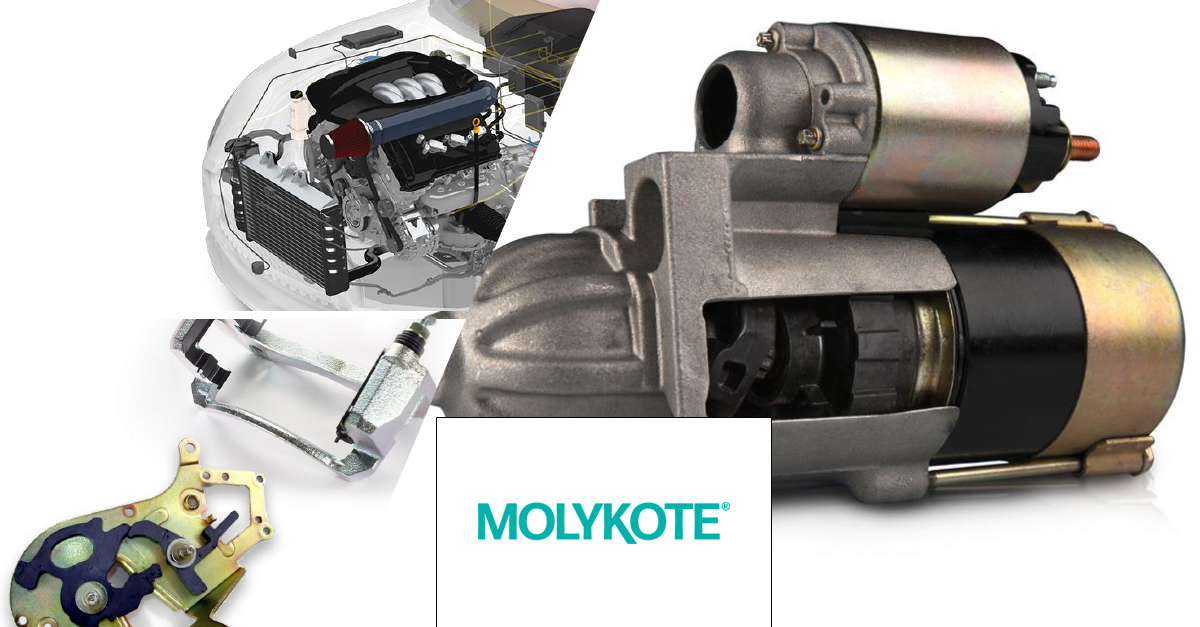
Starter motor lubrication |
| Potential Applications | |
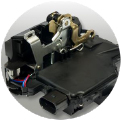 |
Metal parts such as door locks |
| Potential Applications | |
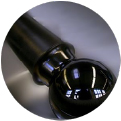 |
Metal/plastic contacts such as ball joints and window lifters |
| Potential Applications | |
 |
Where oils or greases cannot be used for technical reasons or are undesirable because of the risk of soiling |
More information
Contact our technical service : by mail or by phone : +334 26 680 680